Is Costa Rica safe?
Most travelers worry about the wrong things.
Costa Rica is one of the safest countries in Latin America, yet many first-time visitors worry about snakes, spiders or crime.
In reality, the biggest risks are usually much less dramatic: sunburns, ocean currents, night driving, and swimming near river mouths. After several years living in Costa Rica and helping hundreds of travelers plan their trips, these are the ones I bring up most.
The risks you should know about
Most are easy to avoid with a little preparation and common sense.
Don't underestimate the tropical sun
Most visitors underestimate how easily they'll get sunburned here, because it feels no different from a warm summer day. Costa Rica is close to the equator, and the UV index regularly reaches 12 to 14, a level most countries never see, even in peak summer. Unprotected skin can burn in under 20 minutes, and most people don't realize it until the damage is done.
My advice: if you plan to spend time at the beach, especially with children, pack a hat and a shirt that blocks the sun. It protects better than sunscreen alone. Bring sunscreen from home, as it's way more expensive in Costa Rica.
Rip currents are a real danger
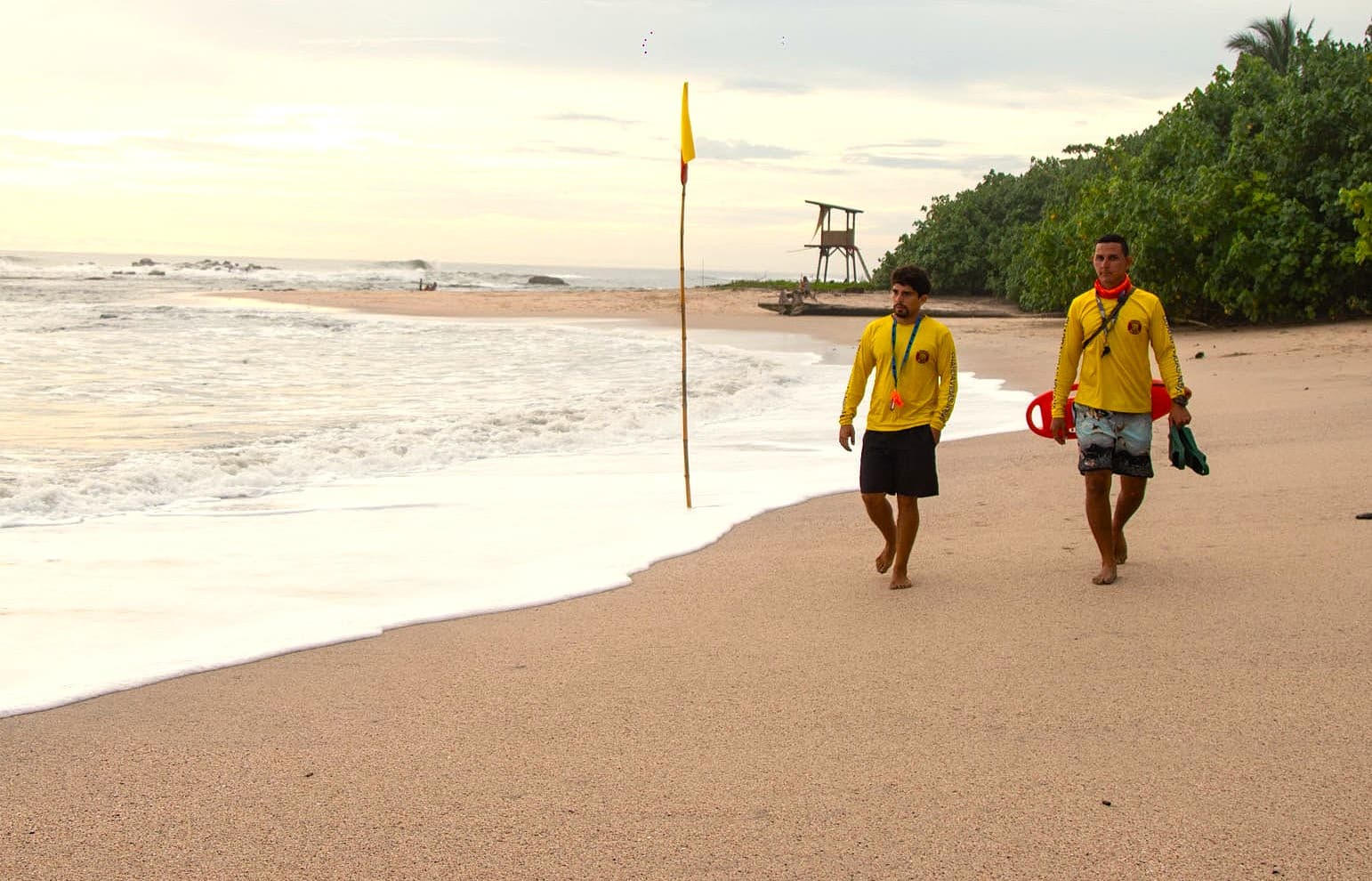
Costa Rica's Pacific beaches can have powerful waves and rip currents, even on calm-looking days. Be especially cautious on beaches without lifeguards and avoid swimming if you're unsure about the conditions. If you're ever caught in a rip current, stay calm and swim parallel to the shore until you're free of it.
If you're unsure whether a beach is safe for swimming, ask a local or your accommodation before going in.

Avoid driving after dark
This is a common mistake I see in itineraries people plan themselves. When driving after dark, fog or heavy rain can make a simple curve dangerous, cows wander onto unlit roads, and potholes and speed bumps become hard to see. That's why every itinerary I build is planned to avoid driving at night.
If you're running behind, the right move is simple: stop, wait for morning, and adjust the plan. It's never worth pushing through.
For more on getting around safely after dark, see the Driving Guide.
Where rivers meet the ocean, stay out of the water
This one surprises people every time. Crocodiles hang out where rivers meet the sea. It's their feeding ground, even if the water looks calm and other people are already swimming. The Tárcoles and Térraba rivers are well known for this, but dozens of smaller river mouths on both coasts have crocodiles too. If you're not sure whether you're near a river mouth, don't go in.
When in doubt, ask a local.
Crocodiles are one of the more memorable animals to see in Costa Rica when spotted from a safe distance. See the Wildlife page for where and how to spot them.
Watch your step on forest trails
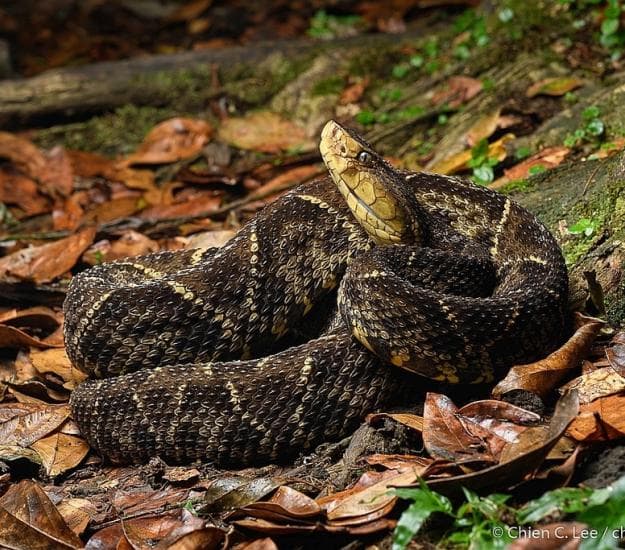
Costa Rica is home to several venomous snake species, but tourists almost never run into them. Stay on marked trails, wear closed shoes, avoid putting your hands where you can't see, and leave wildlife alone. Those precautions are enough for almost every hike.
Want to learn where you're most likely to see wildlife safely?
Rivers rise fast in rainy season
Between May and November, a river that's ankle-deep in the morning can rise a meter or more within the hour, often from rain falling well upstream, out of sight. It's easy to misjudge if you haven't seen it happen. Don't try to cross if the water is moving fast or has turned cloudy.
I schedule river crossings for the morning drive, ahead of the afternoon rain, so you don't run into this at all.
Keep valuables out of sight
People often ask about crime before they arrive, expecting something more serious than what actually happens. The real pattern is petty theft: phones and cameras taken from parked cars or open-air restaurant tables, mostly around Jacó, central San José, and Tamarindo. It's opportunistic, not violent, and easy to avoid: don't leave bags visible in a rental car, and don't leave anything valuable unattended on the beach.
Many of the accommodations I recommend are in quieter areas where this barely happens.
Don't touch what you don't recognize
Some of Costa Rica's plants and vines cause skin irritation or worse if you brush against them or break their stems, and a few caterpillars and frogs carry the kind of bright colors that exist as a warning, not a decoration. Nature usually announces danger with color: if something looks unusually vivid, it often means stay away.
The simple rule: if you can't identify a plant or animal, don't touch it. A guide can tell you what's safe in seconds.
The honest verdict
Costa Rica is one of the safest destinations in Latin America, and millions of people explore the country every year without incident.
The risks on this page are real, but they're also predictable. Knowing about them before you travel is usually enough to avoid them altogether.
That's exactly why I build every itinerary around more than just beautiful places. I also think about driving times, safe swimming beaches, seasonal conditions, and where you stay each night.
Good planning doesn't make your trip less adventurous. It simply lets you enjoy it with greater confidence.
Wildlife deserves respect, not fear
One of the questions I hear most often is:
"Should I be worried about snakes, spiders or scorpions?"
It's a perfectly natural concern. Most people aren't worried about seeing these animals in the wild, they're worried about finding one in their room, bathroom or shoes.
In reality, that's extremely rare. The hotels and lodges I recommend are clean, well maintained, and designed to keep bugs and snakes out. As with mosquitoes, it's simply a good idea not to leave doors or windows wide open when you're away.
Costa Rica is home to venomous snakes, spiders and scorpions, but serious incidents involving travelers are exceptionally rare. Most happen to locals working in rural areas, not tourists staying at lodges or hiking marked trails.
The same simple precautions local guides follow every day are usually all you need: wear closed shoes on forest trails, watch where you step, and leave wildlife alone.
With those habits in place, animals stop being something to fear and become one of the most memorable parts of traveling in Costa Rica.
Respect goes both ways
Costa Rica's wildlife isn't only something to be careful around, it's also something to be careful with.
A frog's skin absorbs whatever touches it: sunscreen, bug spray, the natural oils on your hands, and any of it can make a healthy animal sick. The same goes for a sloth. It looks made for cuddling, but the stress of being handled can do real harm, and it has killed them before.
Hummingbirds are even more fragile. Their hearts beat so fast that a moment of fear can be fatal, so even a well-meaning attempt to catch or hold one is a real risk to the bird.
The rule I give every guest is simple: look, photograph, admire, but keep your hands to yourself. The animals you came to see will thank you for it, even if they can't.
Ready to plan your trip?
Good planning isn't just about discovering more of Costa Rica. It's also about avoiding the small mistakes that can affect a great trip. Every itinerary I build takes these practical details into account, from safer swimming beaches and sensible driving days to the right places to stay, so you can spend less time worrying and more time enjoying the country.