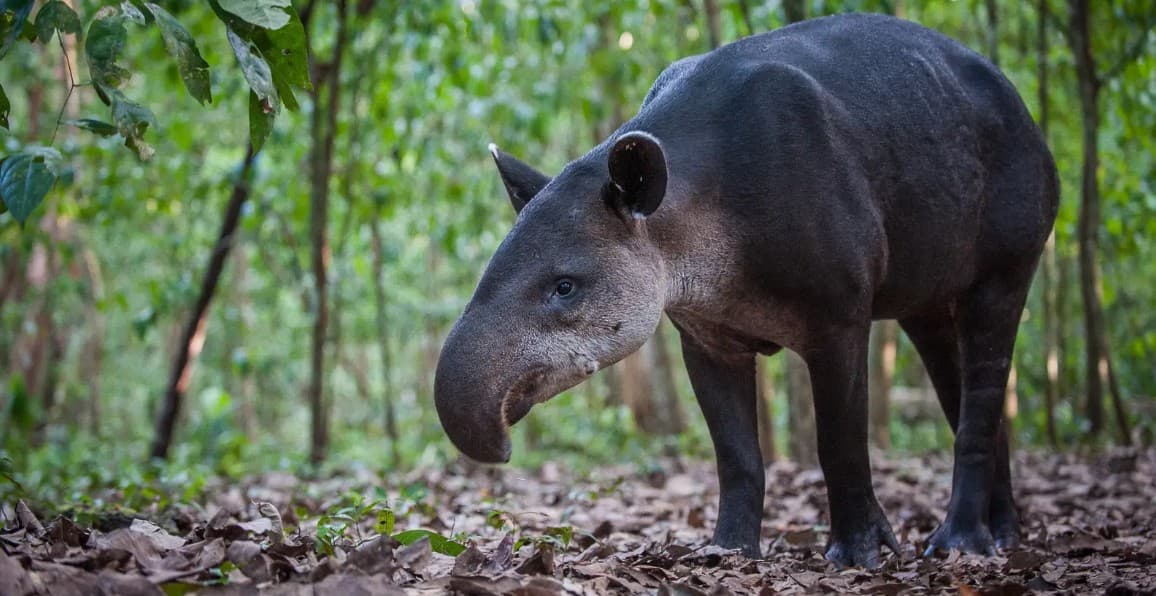
Wildlife rewards good planning.
Most people planning a trip to Costa Rica hope to experience its incredible wildlife. Naturally, they begin by choosing the destinations, national parks, and activities they want to experience.
It's the logical starting point — yet when it comes to wildlife, one decision is often underestimated.
Where will you stay? Where will you wake up and drink your morning coffee? Where will you return after a day of exploring?
Those quieter moments are often when nature surprises you most. Choosing the right accommodation doesn't just determine where you sleep — it can completely transform the way you experience Costa Rica's wildlife.
Why Costa Rica is one of the world's greatest places to observe animals
Costa Rica is often described as one of the most biodiverse countries on Earth. You'll find that sentence almost everywhere.
What matters more is understanding why.
Around 3 million years ago, the formation of the Isthmus of Panama created a land bridge between North and South America. Animals from two continents were suddenly able to meet, spread, and establish themselves across entirely new territories. Later, volcanoes, mountain ranges, and dramatic shifts in altitude created an extraordinary variety of climates and habitats within a remarkably small country.
The result is a place where cloud forests, jungle, dry forests, mangroves, and tropical coastlines all exist within just a few hours of one another.
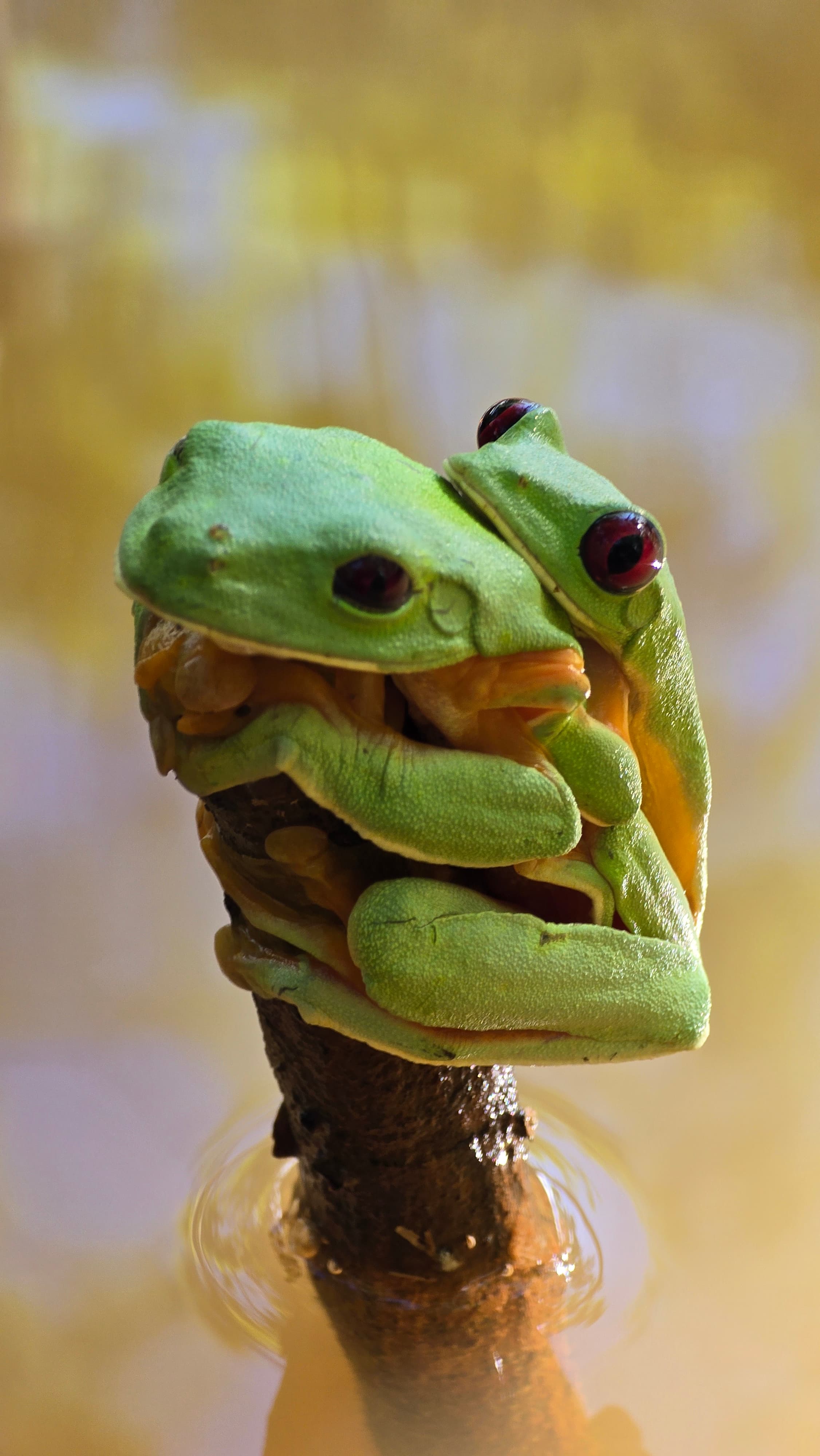
Each environment attracts different species. That's why a sloth, a resplendent quetzal, a poison dart frog, and a scarlet macaw don't all live in the same places. Costa Rica isn't one giant jungle. It's a mosaic of ecosystems — each offering a completely different experience.
Seeing more animals often starts with choosing the right place to stay
When people plan a trip, they usually begin by choosing destinations. La Fortuna. Monteverde. Manuel Antonio. Tortuguero. Only afterwards do they look for accommodation nearby.
It's a perfectly natural way to organise a trip. But it also means many people never discover one of Costa Rica's biggest secrets.
Animals don't know where a national park begins or ends.
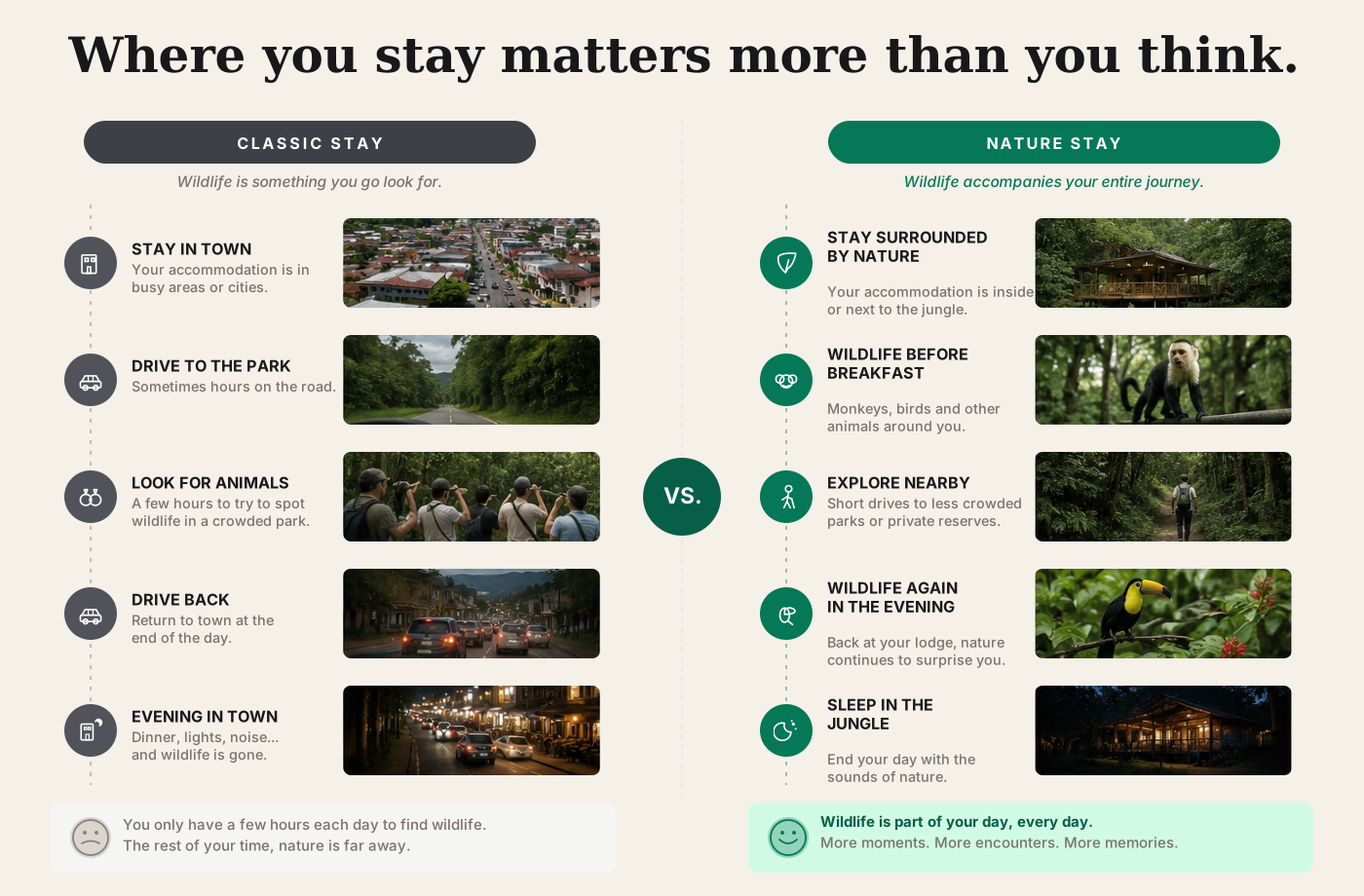
Many of the places I recommend are surrounded by forest, rivers, mature trees, private reserves, or biological corridors where animals move freely every day. Instead of leaving your hotel each morning to go looking for nature, you begin and end every day already surrounded by it.
"A family wrote to me during their trip to say something I hear surprisingly often: they ended up seeing more animals around their lodge than during some of their visits to national parks.
That doesn't make the parks any less extraordinary. It simply shows how much the surrounding environment matters."
— Kevin, Costa Planner · Puriscal region, Costa Rica
Different animals require different habitats
One of the most common mistakes is planning an itinerary around destinations instead of the animals you'd love to see.
There isn't one "best place" for wildlife in Costa Rica. It all depends on what you're hoping to experience.
If you'd love to watch sea turtles nesting, your itinerary will look completely different from someone hoping to photograph quetzals in the cloud forest. A family dreaming of monkeys and sloths doesn't need the same route as a biologist searching for poison dart frogs, or a birdwatcher hoping to add new species to a life list.
Habitats matter. Elevation matters. The season matters. Even travelling a few weeks earlier or later can completely change what you'll have the opportunity to observe.
That's why I always begin planning with one simple question: What would you most love to experience? Everything else follows naturally.

Tell me which species you're hoping to see.
I'll build an itinerary around the habitats, ecosystems, and seasons that give you the best possible chance — with accommodation chosen specifically for its wildlife surroundings. Sloths, quetzals, sea turtles, poison dart frogs, scarlet macaws, or all of the above.
Some travelers simply hope to see plenty of animals while enjoying volcanoes, beaches, and waterfalls. Others come because observing nature and specific species is the main reason for the trip. Neither approach is better — they simply require different planning.
Get a Custom Wildlife ItineraryEvery traveler experiences Costa Rica differently
Wildlife is part of the holiday
I'll recommend accommodations and regions where animals naturally become part of everyday life, without changing the overall rhythm of your trip. Sloths at breakfast. Monkeys on the road. Crocodiles at the river crossing. Woven into a well-rounded itinerary.
Observing nature is the whole point
We'll build your itinerary differently. Habitats, ecosystems, travel pace, local conditions, and the best seasons for the species that interest you most. The goal isn't to visit more places — it's to spend more time in the right ones.
"A biologist contacted me while planning his trip because he wanted the best possible opportunities to observe amphibians especially poison dart frogs. One of the lodges I recommended was surrounded by mature forest, small streams, I knew from experience that it's an ideal habitat for several frog species. He planned to stay one night. He stayed three."
"I have not left the property for 3 days," he later told me.
— Kevin, Costa Planner
Good planning improves the odds. Nature decides the rest.

One thing I'll never promise is guaranteed sightings. Nature doesn't work that way. Even in the best locations, animals remain wild and unpredictable. That's exactly what makes every encounter memorable.
What thoughtful planning does is something much more realistic. It increases your opportunities. More mornings surrounded by forest. More evenings listening to the sounds of the jungle. More time in places where animals already live, instead of constantly travelling between attractions.
You can't control nature. But you can choose to spend more time where nature has the best chance of finding you.
Frequently asked questions
Can anyone guarantee that I'll see animals?
No. Wild animals follow their own rhythms, not ours. Good planning simply places you in environments where encounters become much more likely — more mornings surrounded by forest, more time in places where animals already live.
Do I still need to visit national parks?
Absolutely. Costa Rica's parks are among the country's greatest treasures. The difference is that many unforgettable encounters happen long before you reach the park entrance. The right accommodation adds an entire dimension the park visit alone can't provide.
Which part of Costa Rica has the most animals?
There isn't one answer. Different ecosystems support different species. The best region depends entirely on what you'd like to see — and that's exactly where planning starts.
Are nature lodges more expensive?
Not at all. Many family-owned lodges surrounded by forest cost less than large resorts in busy tourist towns. Price has surprisingly little to do with the quality of the experience.
Is it safe to stay outside the main tourist towns?
For many first-time visitors, that's a perfectly natural concern — I remember asking myself the same question before moving to Costa Rica. Today, some of the places I recommend most confidently are peaceful family-run lodges surrounded by nature, where tourism moves at a slower pace and the experience feels far more authentic than a busy town. Part of my job is helping you choose places I know personally and would happily recommend to my own family.
The real difference
National parks are where you go looking for animals.
The right accommodation is where animals find you.
Whether your goal is to spot your first sloth, photograph scarlet macaws, listen to howler monkeys at sunrise, or simply spend more time surrounded by nature — thoughtful planning can completely change your experience. Let's build an itinerary where Costa Rica's remarkable biodiversity becomes part of every day, not just the hours you've set aside for it.
Custom itineraries from $299 · Free 20-min call available